Chair of the Day
Art Deco Velvet Club Chair
Plush, low and streamlined, the Deco club chair traded fussy carving for bold geometric volume and rich saturated velvet — the glamour of the ocean-liner era.…

Source: Wikimedia Commons • CC BY-SA
Experimental
Spotted a chair in the wild?
Upload a photo and our AI returns its top three best-guess matches from the catalog. Replicas and lookalikes will affect accuracy.
The Collection
Featured pieces

Anonymous (English)
1720 · Georgian
18th Century
Wingback Fireside Chair
Anonymous (English)
Source: Rijksmuseum • Public Domain

Anonymous (French Court)
1750 · Rococo
18th Century
Carved Rococo Armchair (Fauteuil)
Anonymous (French Court)
Source: The Met Open Access • Public Domain
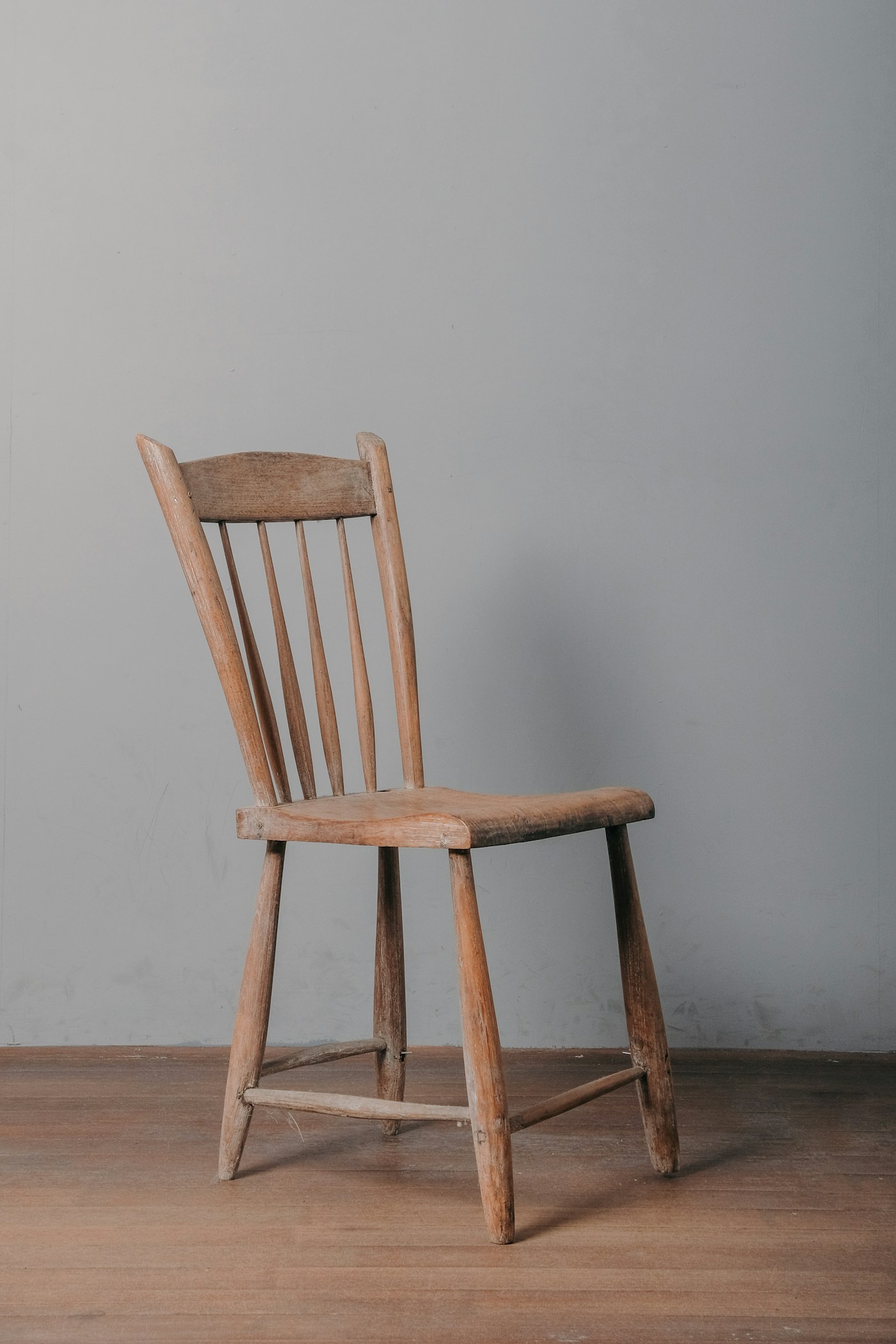
Anonymous (English Vernacular)
1760 · Vernacular / Colonial
18th Century
Comb-Back Windsor Chair
Anonymous (English Vernacular)
Source: The Met Open Access • Public Domain
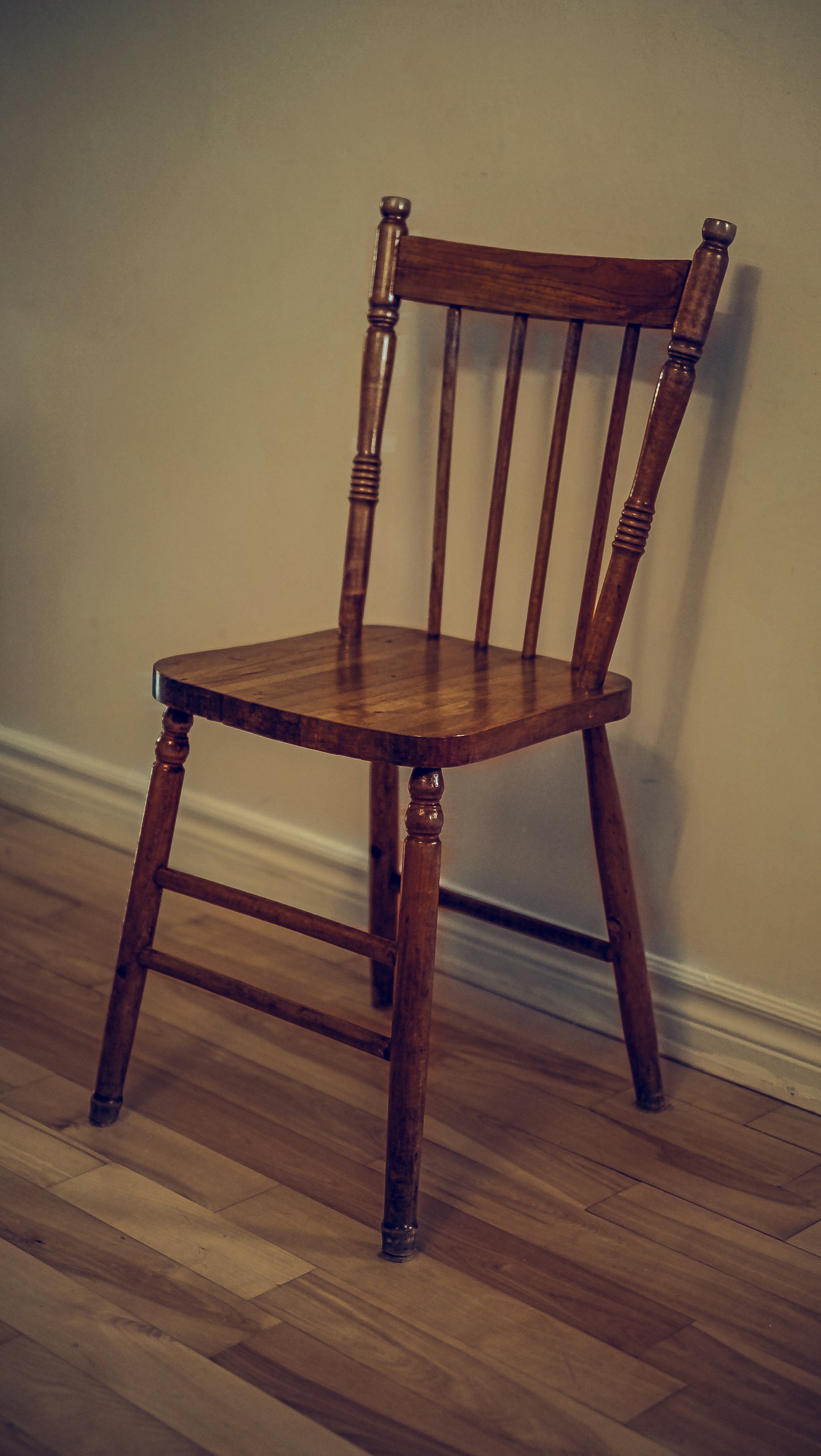
Anonymous (Country Craft)
1820 · Vernacular / Colonial
19th Century
Turned Spindle Side Chair
Anonymous (Country Craft)
Source: Wikimedia Commons • CC BY-SA
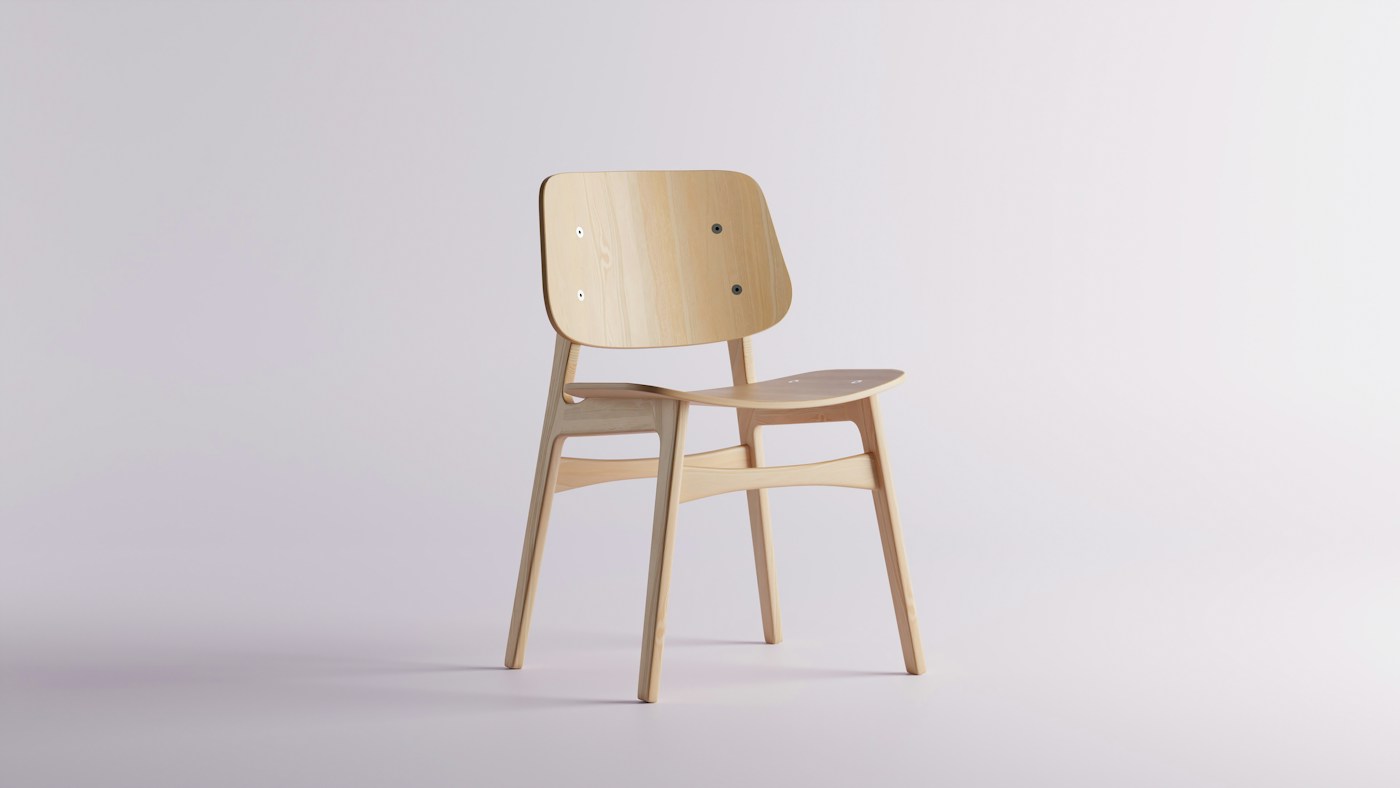
Shaker Community
1840 · Shaker
19th Century
Shaker Ladder-Back Chair
Shaker Community
Source: The Met Open Access • Public Domain
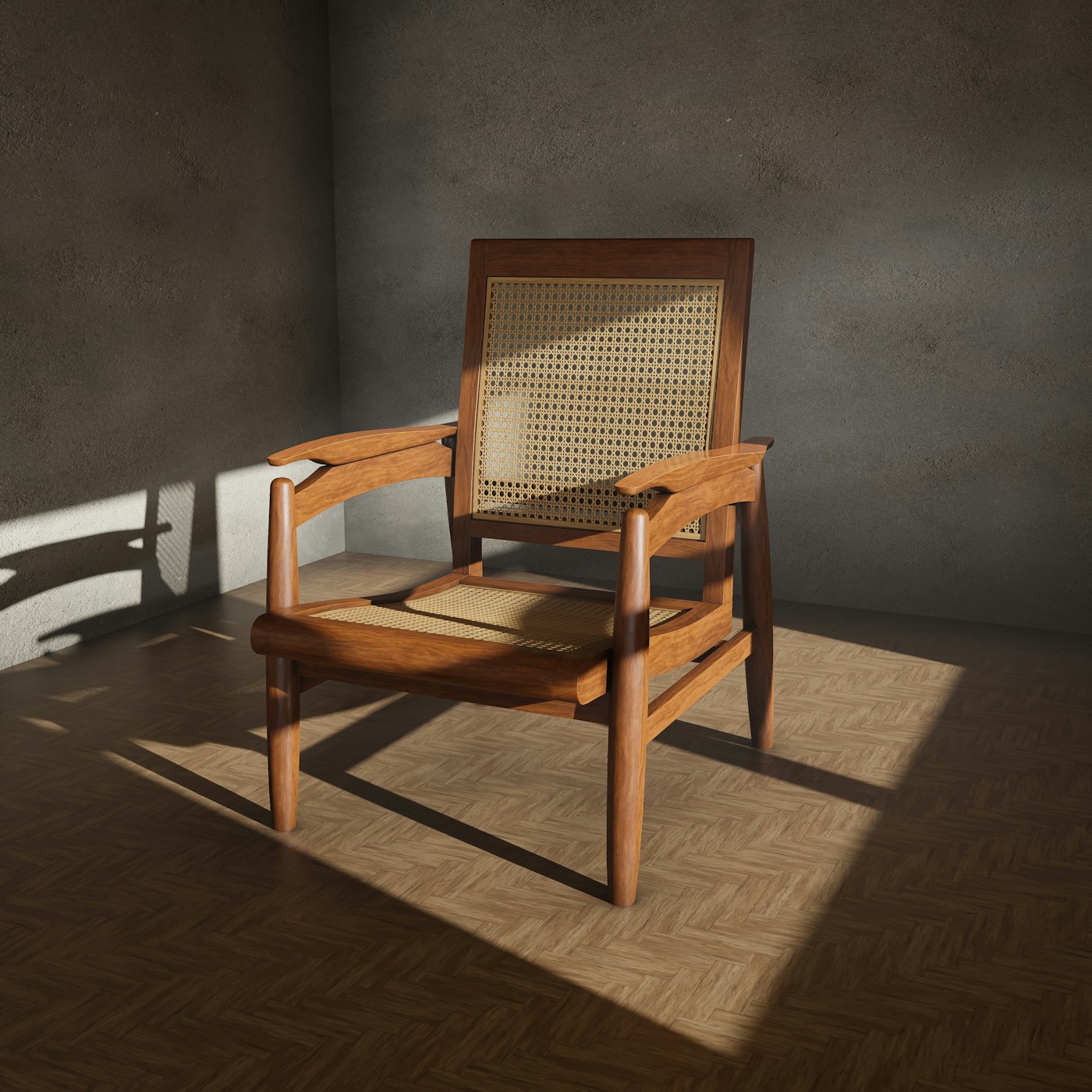
Michael Thonet
1859 · Industrial Craft
19th Century
Bentwood Chair No. 14
Michael Thonet
Source: MoMA • Editorial / Attribution
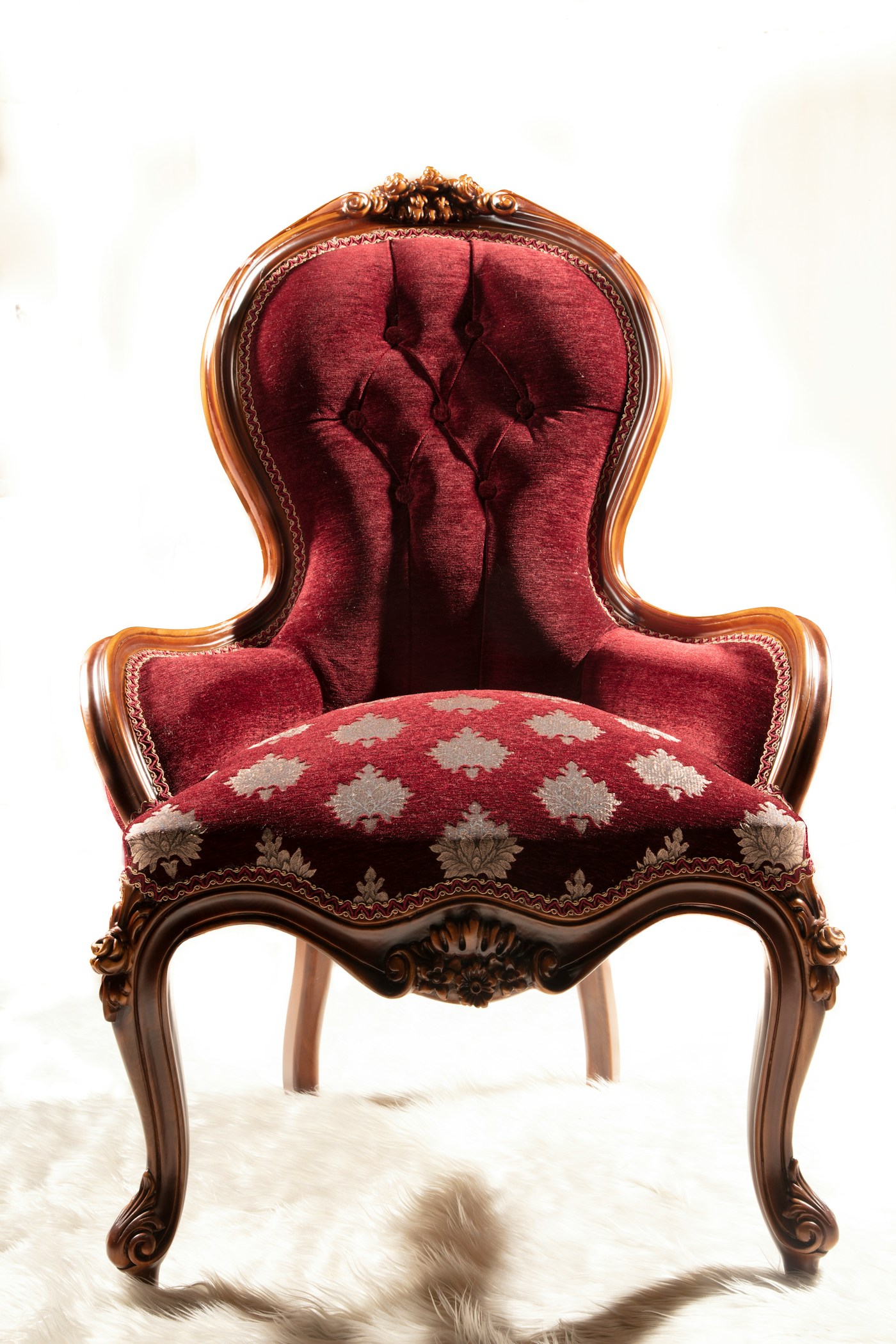
Anonymous (Victorian)
1860 · Victorian
19th Century
Balloon-Back Parlour Chair
Anonymous (Victorian)
Source: Rijksmuseum • Public Domain

Anonymous (Colonial)
1890 · Colonial Revival
19th Century
Carved Garden Chair
Anonymous (Colonial)
Source: Wikimedia Commons • CC BY-SA
Explore by
Movements
Bauhaus
31919–1933
The German school that fused art, craft and industry. Bauhaus furniture stripped away ornament in favour of tubular steel, geometry and honest function.
Mid-Century Modern
61945–1969
The optimistic post-war style of organic curves, new materials and open-plan living that dominated American and European homes.
Scandinavian Design
41930s–present
A Nordic philosophy of warm minimalism, natural materials and democratic craftsmanship, prizing comfort and honest joinery.
Art Deco
21920s–1930s
The glamorous geometry of the interwar years — bold volumes, rich materials and streamlined luxury.
Victorian
11837–1901
An eclectic era of decorative revivals, where machine production let the middle classes fill parlours with elaborate carved seating.
Rococo
11730–1770
The playful, asymmetric ornament of the French court — shells, scrolls, gilding and cabriole legs.